

Industrial electrical is a specific type of engineering that deals with the installation, maintenance, and repair of electrical systems in industrial facilities. Industrial electricians are responsible for making sure that all electrical components, like motors, switches, and transformers, work safely and effectively. They also need to follow strict safety rules to prevent fires or other dangerous situations. With the increasing use of technology such as automation and robotics in industries today, industrial electricians play a crucial role in ensuring that these processes are carried out safely and efficiently.
Understanding Industrial Electrical Systems
Industrial electrical systems are vital for various operations, from manufacturing to construction. They power machines, provide lighting and tools with electricity, and keep everything running smoothly. Unlike residential or commercial systems, industrial electricial systems need to handle high levels of power and often require special wiring. Knowing how these systems work is important for anyone working with industrial equipment.
At its core, an industrial electrical system consists of two main parts: a power source and the associated wiring. The power source can be a single-phase or three-phase AC alternator or a complex DC system with multiple sources of energy like hydroelectricity or solar power. The wiring connects different components within the system, such as motors, lighting fixtures, and transformers. These wires not only carry power but also need to withstand extreme temperatures and carry high amounts of electricity without overheating or causing short circuits.
Safety Considerations for Industrial Electrical Systems
Industrial electrical systems are crucial for production and operations in factories, warehouses, and other industrial facilities. They power the machines that allow companies to manufacture goods, run their operations smoothly, and keep their workers safe. However, these systems come with specific safety considerations that need to be addressed when designing and maintaining them.
Ensuring the safety of an industrial electrical system starts with using up-to-date and correctly installed wiring. Proper insulation techniques and approved materials for conduit connections should be used. Wires should have enough space to prevent overheating or sparks caused by friction. Circuit breakers or fuses should be in place to quickly shut off power during emergencies. Ground fault circuit interrupters (GFCIs) are also important as they monitor the electrical current flow and shut off power if imbalances or short circuits occur.
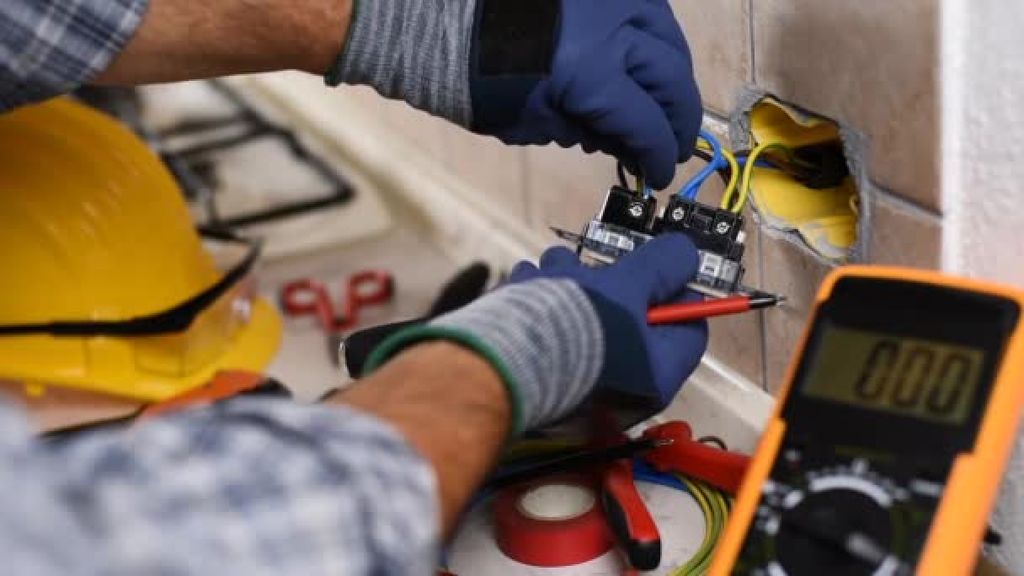
Common Applications and Uses of Industrial Electrical Systems
Industrial electrical systems are essential for various industrial operations. From factories to warehouses, they provide electricity to power machinery, equipment, and other operations. The applications of industrial electrical systems are diverse and crucial for maintaining smooth operations in industries.
One common application is motor control circuits, which regulate the speed and direction of electric motors used in pumps, conveyors, fans, and other industrial equipment. Motor control circuits often include overload protection devices to ensure safety during operation.
Industrial electrical systems also play a key role in powering lighting fixtures across a facility or worksite. High-efficiency lights, like LED lamps, can be powered by low-voltage AC or DC. Lighting fixtures may be connected to motion sensors to save energy by only turning on when someone enters the area they illuminate.
Maintenance of Industrial Electrical Equipment
Proper maintenance of industrial electrical equipment is necessary to ensure a safe and healthy working environment, extend equipment life, reduce downtime, and maintain optimal performance. Several steps should be taken to ensure proper maintenance.
Regular inspections should be conducted to check for wear or damage in all components. Fuses should be checked and damaged wires or components replaced. Loose connections should be tightened, and exposed wiring should be kept away from combustible materials. Motors should have their bearings lubricated according to the manufacturer’s specifications to reduce wear and improve efficiency.
In conclusion, industrial electrical is a specialized field that is crucial for powering industrial operations. It requires a deep understanding of electrical engineering principles and skilled technicians to ensure safe and efficient operation. Industrial electrical systems play a significant role in keeping businesses running smoothly and providing benefits to employers and employees alike.